The Port of Portland manages various municipal services that require efficient payment processing. These systems handle everything from airport parking fees to marine terminal charges.
Payment technology has evolved rapidly across all sectors in recent years, and innovations from high-volume transaction environments like Ethereum casino platforms have pushed forward advances in blockchain and digital payment security. Municipal services now benefit from these same technological improvements in speed and reliability.
Residents and businesses interact with these payment platforms daily. The port operates as a self-sustaining government entity. It doesn’t rely on local tax dollars for operations. Instead, revenue comes from lease agreements, facility usage, and service fees.
This makes reliable payment systems essential for continued operations. Payment processing affects thousands of transactions monthly.
The systems must handle diverse needs across multiple facilities. Portland International Airport alone processes millions of payments annually.
Traditional Payment Methods Still in Use
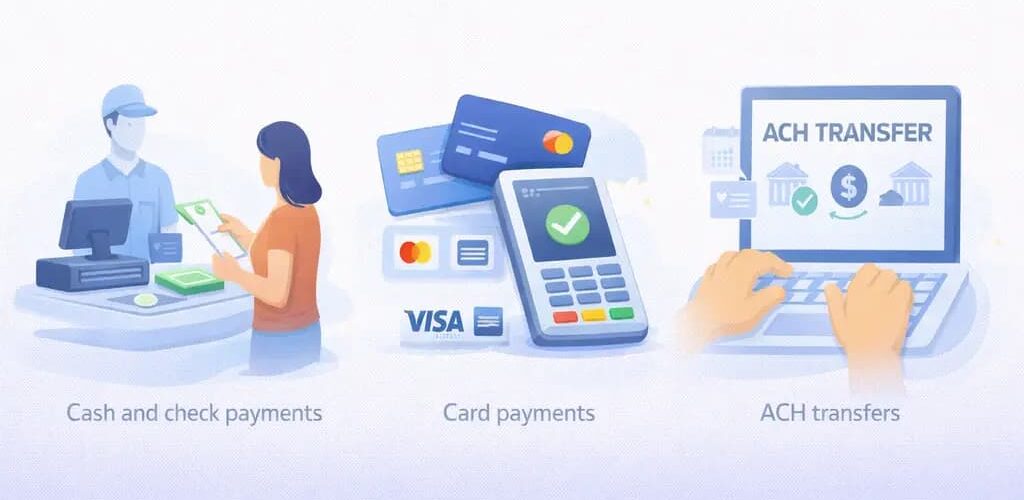
Cash and check payments remain available at certain locations. Some users prefer these conventional methods for various reasons. The port maintains staffed payment centers for in-person transactions.
Credit and debit cards represent the most common payment type. Major card networks are accepted across all facilities. Processing fees are typically absorbed by the port rather than passed to customers.
Automated clearing house transfers serve commercial clients well. These bank-to-bank transfers work for recurring payments. Large businesses often choose this method for lease payments and regular fees.
Digital Payment Evolution and Modern Solutions
The port has embraced digital transformation in recent years. Online payment portals allow 24/7 access to account management. Users can view statements, make payments, and track transaction history.
Mobile payment options have expanded significantly. Contactless payment terminals accept digital wallets. QR code payments are being tested at select locations. These provide quick checkout experiences for visitors. The technology requires minimal hardware investment.
Benefits for Service Users
Convenience ranks as the primary advantage of modernized systems. Users can pay from anywhere with internet access. This eliminates the need for physical visits or mailing checks.
Time savings benefit both individuals and businesses. Automated payments reduce administrative burden. Late fees decrease when payments process automatically.
Transaction transparency has improved considerably. Real-time payment confirmation provides peace of mind. Digital receipts simplify record-keeping for tax purposes.
Reduced Processing Times
Digital payments clear faster than traditional methods. Electronic transactions often process within 24 hours. This improves cash flow for businesses awaiting refunds.
The port can allocate resources more efficiently. Fewer staff hours go toward manual payment processing. This allows focus on customer service improvements.
Security Measures Protecting Transactions
Payment Card Industry compliance is strictly maintained. The port follows all required security standards. Regular audits ensure systems meet industry benchmarks.
Encryption protects data during transmission. Multi-factor authentication adds extra protection layers. These measures defend against unauthorized access attempts.
Fraud detection algorithms monitor suspicious activity. Unusual transaction patterns trigger review processes. This proactive approach minimizes financial losses.
Data Privacy Considerations
Personal information is handled carefully throughout the systems. The port adheres to federal and state privacy laws. Data retention policies limit unnecessary storage of information.
Users can review privacy policies on official websites. Transparency about data usage builds trust. The port provides clear explanations of information collection practices.
Challenges in Municipal Payment Processing
There are not only pros, but also some challenges:
- System integration presents ongoing technical challenges. Legacy systems must communicate with newer platforms. This requires careful planning and substantial investment.
- User education remains important for adoption success. Not everyone feels comfortable with digital payment methods. The port provides support resources and assistance.
- Maintenance costs for payment infrastructure are high. Software updates and security patches require continuous attention. Budget allocation for technology upgrades is necessary.
Looking Toward Future Developments
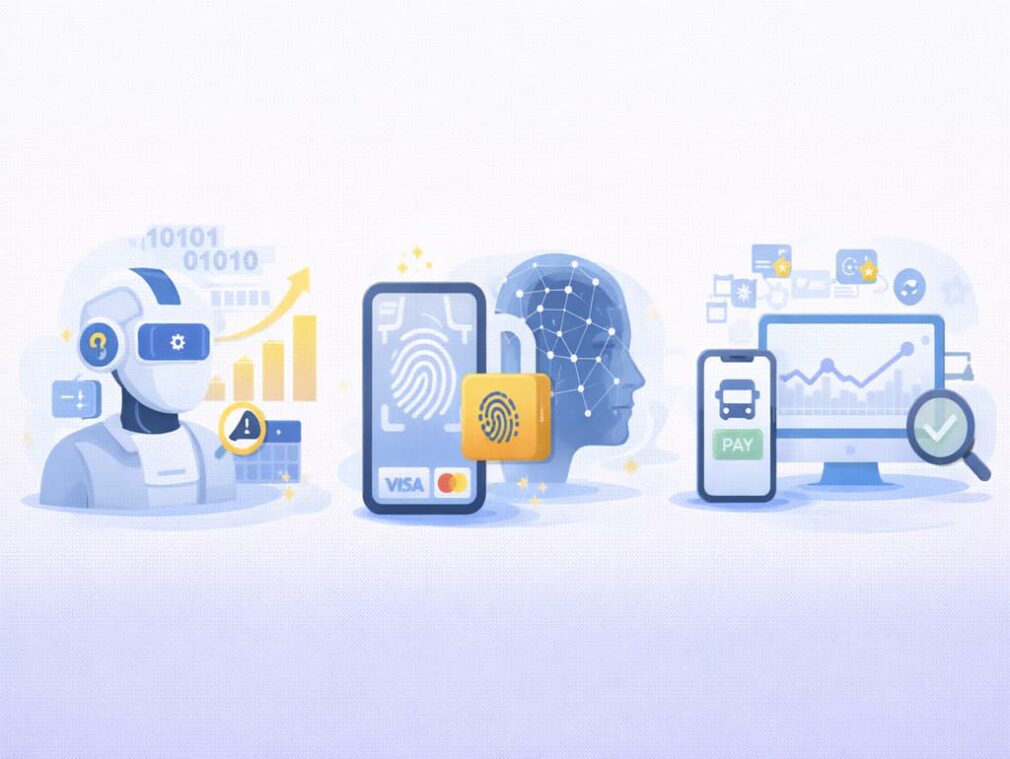
Artificial intelligence may further streamline payment processing. Predictive analytics could identify payment issues before they occur. These technologies are under evaluation for future deployment.
Biometric authentication might replace passwords eventually. Fingerprint and facial recognition offer enhanced security. Implementation would require significant infrastructure updates.
The port monitors payment trends across other municipalities. Best practices from peer organizations inform decision-making. Continuous improvement ensures systems remain competitive and user-friendly.
Final Thoughts on Payment System Progress
Port of Portland’s payment infrastructure continues evolving. The balance between traditional and modern methods serves diverse users. Investment in technology improves service delivery across all facilities.
Residents and businesses benefit from expanded payment options. Security remains paramount as systems advance. The port’s commitment to accessible, secure payments strengthens its operational effectiveness.